“The problem isn’t rebuilt vehicles — the problem is the absence of standards”: entrepreneur Vitalii Tkachenko on why the U.S. auto market needs a new verification system
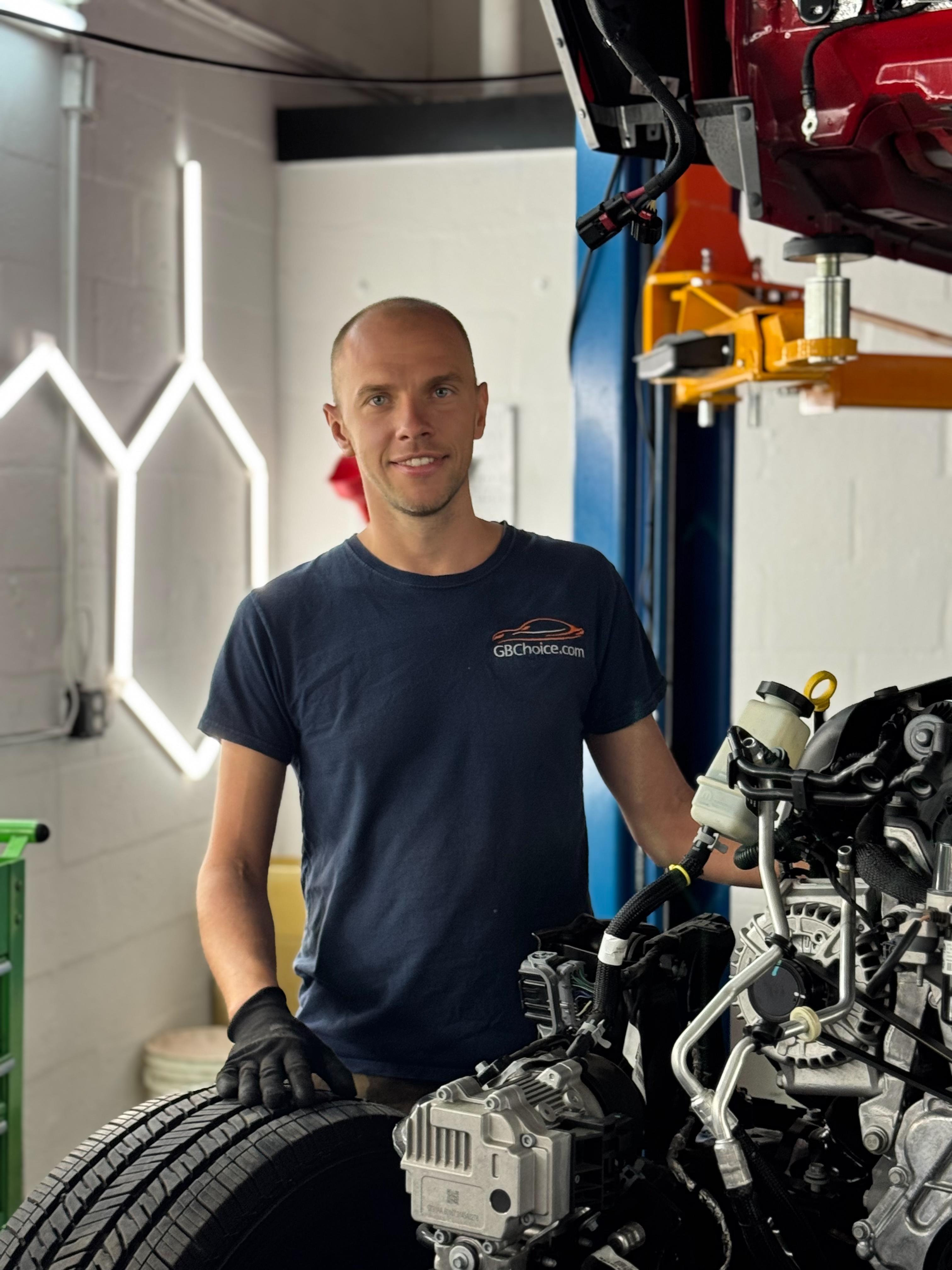
The U.S. rebuilt vehicle market processes millions of cars every year, yet despite its enormous scale, there is still no unified national standard governing how damaged vehicles should be restored, verified, documented, and presented to consumers.
For entrepreneur Vitalii Tkachenko, this gap is not simply an operational inefficiency — it is one of the largest structural weaknesses in the entire rebuilt vehicle industry.
Tkachenko is the founder of RTQP, a developing verification and certification framework designed to introduce standardized restoration quality controls, documentation systems, and transparency infrastructure into the rebuilt vehicle market.
Unlike traditional dealership procedures or fragmented state-level inspections, RTQP aims to create a scalable operational system capable of functioning across dealerships, rebuilders, inspectors, and consumers.
In this interview, Tkachenko explains why the current system no longer works at market scale, why transparency has become a critical economic issue, and why he believes rebuilt vehicle verification will eventually evolve into an industry-wide standard.
“The market became massive, but the standards never evolved with it”
Q: What made you start working on RTQP?
Vitalii Tkachenko:
I spent years operating inside the rebuilt vehicle market and saw the same problem repeatedly. The industry itself is enormous — millions of vehicles are